



State Office:
Neighbourhood Watch Victoria
Victoria Police Centre
311 Spencer Street
Docklands VIC 3008
General Enquiries: (03) 8335 6002
Media Enquiries: ceo@nhw.com.au
ABN: 41 586 657 273
Incorporation Number: A0018739R

Artificial intelligence has quietly become one of the biggest tools in a scammer's kit. It is no longer just about clumsy emails full of spelling mistakes. Scammers can now clone a real person's voice from a few seconds of audio, generate convincing fake video of celebrities or business figures, and write personalised messages that reference your name, your bank and your recent activity.
The scale of the problem is significant. Australians lost $2.18 billion to scams in 2025, with more than 480,000 scams reported to watchdogs, and regulators point to AI as a major reason scams have become harder to spot (National Anti-Scam Centre, 2026). ASIC took down almost 12,000 phishing and investment scam websites in 2025 alone, a 90 per cent jump on the year before, much of it driven by AI-generated content flooding social media.
One of the most distressing versions is the "family emergency" scam. A phone rings, and the voice on the other end sounds exactly like a daughter or grandson, crying, saying they are in trouble and need money urgently. The voice has been cloned from a video posted online. Research from the Australian Institute of Criminology found that half of Australian adults now fear being targeted by AI-enabled crime, and one in five expect to become a victim within the next year.
The tricky part is that confidence does not equal ability. A Commonwealth Bank study found that while 89 per cent of Australians felt sure they could pick an AI-generated scam, people were only accurate 42 per cent of the time, worse than a random guess. Age made little difference. This is not about being technologically behind, the fakes have simply become that convincing.
The good news is that the basic defences still work. If a call, text or video asks you to act urgently, especially involving money, hang up and contact the person directly using a number you already have saved, not one provided in the message. Agree on a family code word that a scammer could never know, to be used if someone claims to be in trouble. Be cautious about what personal detail, voice clips or videos of yourself and your family end up publicly online, since this is exactly the raw material scammers use. And remember that real banks, government agencies and family members will never pressure you to act instantly or pay via gift cards or cryptocurrency.









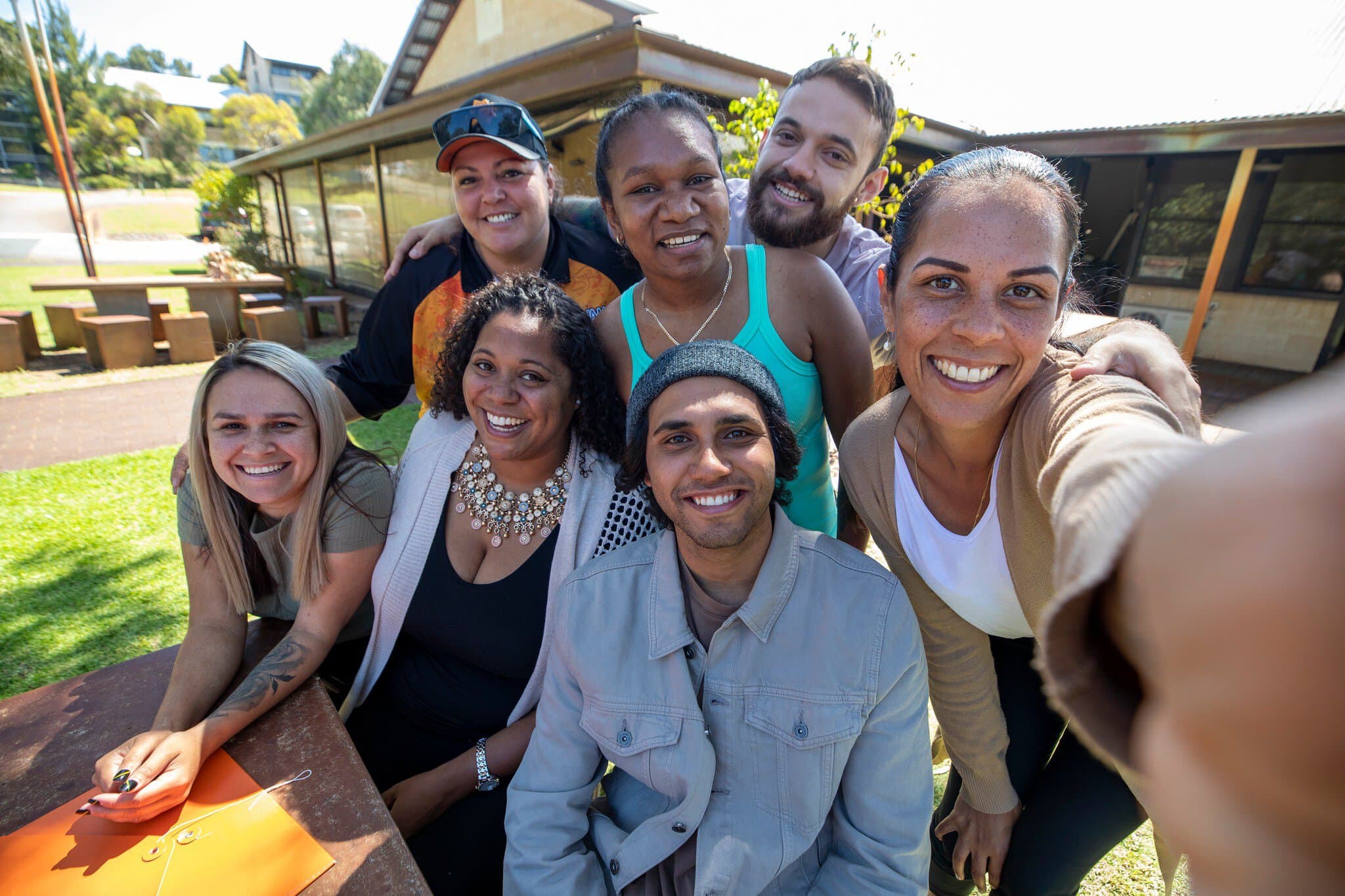
Neighbourhood Watch Victoria acknowledges the 38 mobs, the Traditional Custodians of the land on which we operate, live, and gather as employees and volunteers. We recognise their continuing connection to land, water and community and pay respect to Elders past, present and emerging.

At Neighbourhood Watch, we believe everyone has the right to feel safe and welcome. We are committed to ensuring diversity, inclusion and equity are embedded throughout our organisation – in the work we do, the services we deliver and among our staff, volunteers, and the communities we work with.


Neighbourhood Watch Victoria
Victoria Police Centre
311 Spencer Street
Docklands VIC 3008
General Enquiries: (03) 8335 6002
Media Enquiries: ceo@nhw.com.au
ABN: 41 586 657 273
Incorporation Number: A0018739R